

Bringing a dog into your life is exciting, heartwarming — and, let’s be honest — a little bit overwhelming. If you’re a first-time dog owner, this guide is your best friend before your furry best friend.
Getting your first dog is a massive milestone — you’re not just gaining a pet, you’re adding a full-on family member with their own quirks, needs, and adorable personality. But it’s not all belly rubs and wagging tails. New dog owners often find themselves swamped with conflicting advice, unexpected challenges, and a steep learning curve.
To help you skip the stress and jump straight to the good stuff, we’ve put together a solid list of 10 must-know tips that will not only make life easier but also help you become the kind of owner your dog deserves.
Let’s dive in tail first.
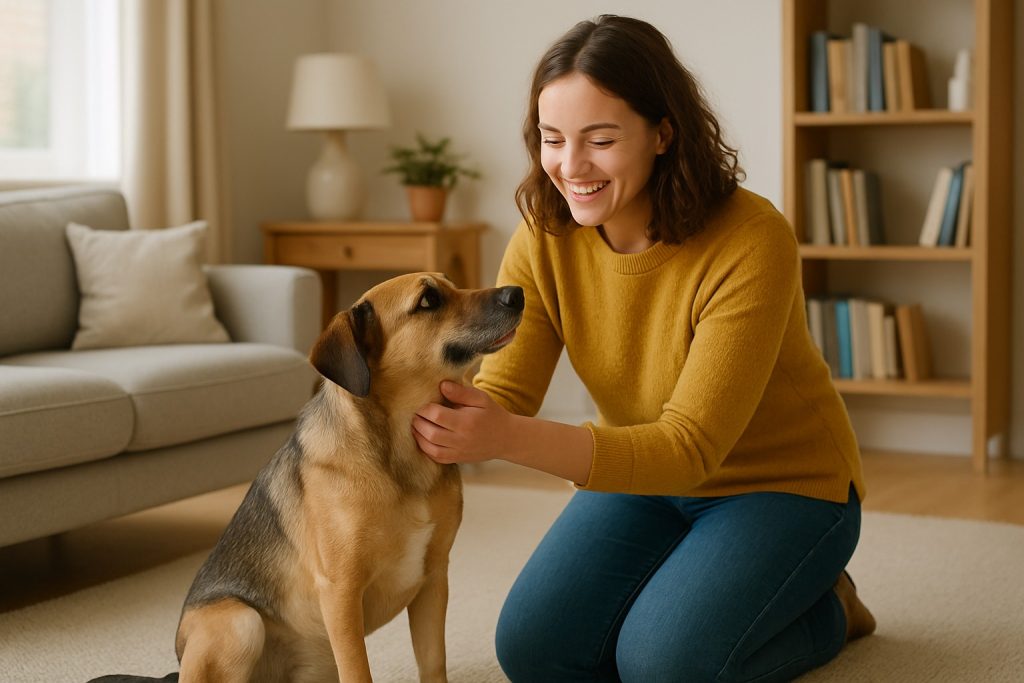
1. Do Your Breed Research (Personality Matters More Than Looks)
So many first-time owners fall in love with how a dog looks — fluffy ears, big puppy eyes, Instagram-friendly vibes — but completely overlook what really counts: their personality, energy levels, and needs.
Before committing, spend time researching your chosen breed’s traits:
• Are they high-energy or more chilled?
• Do they need lots of mental stimulation?
• Are they naturally vocal or quiet?
• Are they independent or clingy?
• Do they shed like crazy?
For example, a Border Collie is incredibly smart and loyal — but if you’re not giving them daily mental work and physical activity, they’ll chew your furniture out of boredom. French Bulldogs, on the other hand, are low-energy and love being indoors, but they can have breathing issues and may not handle heat well.
Top tip: Don’t be afraid to ask rescue centres or breeders honest questions about a dog’s temperament, exercise needs, and habits. A mismatch in lifestyle and breed is one of the biggest reasons dogs get rehomed.

2. Routine Is Everything (Dogs Thrive on Structure)
Dogs are creatures of habit. They feel safest when they know what’s coming — whether that’s meal times, walks, naps, or bedtime.
Setting a daily routine right from day one helps:
• Speed up toilet training
• Reduce anxiety
• Build confidence
• Teach good habits
Try to feed, walk, and let your dog out at the same times each day. Even playtime and rest time can be part of the routine. This structure doesn’t just make your dog more secure — it makes your life easier, too.
Sudden changes or unpredictability can confuse a new dog and cause unwanted behaviours like whining, barking, or accidents indoors. Keep it simple and consistent.

3. Master the Basics of Training Early On
Training isn’t just about tricks. It’s communication. It’s the language you and your dog speak together — and it starts immediately.
You don’t need to wait until your dog is a certain age. Whether you’ve got a puppy or an older rescue, it’s never too early to begin:
• Teaching their name and responding to it
• Learning cues like “Sit,” “Come,” “Leave it,” and “Stay”
• Walking nicely on a lead
• Settling when asked
The biggest mistake people make? Inconsistency. One day they let the dog jump on the sofa, the next they shout about it. Or they reward a behaviour once and then forget. Dogs thrive when you’re clear and consistent.
Short, positive training sessions, just a few minutes at a time, are far more effective than trying to teach everything at once. Keep it fun, use rewards they love (treats, toys, or affection), and celebrate progress — even if it’s tiny.
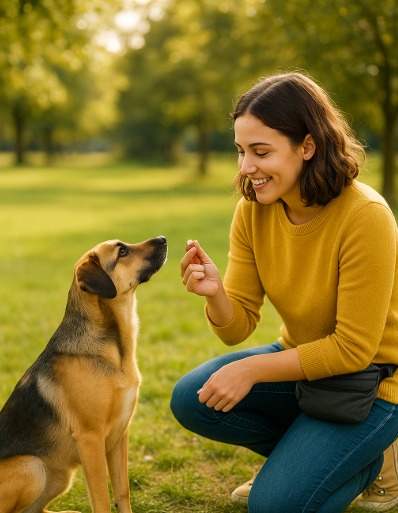
4. Socialisation Is More Than Meeting Other Dogs
You’ve probably heard people say, “Make sure your dog gets socialised!” But this isn’t just about letting them play with other dogs at the park.
Socialisation means helping your dog feel confident in all sorts of situations:
• Walking past traffic
• Meeting friendly strangers
• Hearing loud noises like hoovers or sirens
• Visiting new environments like parks, shops, or cafés
• Being around children, bikes, other animals
The golden window for puppy socialisation is between 3–16 weeks, but it doesn’t stop there. Rescue dogs also benefit hugely from structured social experiences.
Start slow and always pair new things with something positive — treats, praise, or calm reassurance. If your dog shows fear, don’t force it. Take a step back and go at their pace.
Proper socialisation now = fewer behaviour problems later.

5. Invest in Quality Essentials (Not Just Toys)
There’s a lot of “stuff” on the market for dogs — from squeaky toys to themed collars to deluxe beds — but not all of it is necessary or even useful. When you’re starting out, it’s better to invest in a few key essentials that actually improve your dog’s wellbeing and your daily routine.
Your dog essentials starter kit should include:
• A comfortable, secure harness and a reliable lead
• Biodegradable poo bags (like our planet-friendly ones at TMD92!)
• A crate or cosy bed that feels like a safe den
• Basic grooming tools like a slicker brush or deshedding comb
• A selection of chew-safe toys for mental stimulation
• Puzzle feeders or treat-dispensing toys for mealtime enrichment
Cheap equipment often doesn’t last — or worse, it’s uncomfortable or unsafe. Start simple, but choose items built to last and designed for your dog’s actual needs.
6. Nail the Toilet Training (It’s About Timing and Praise)
Toilet training is one of the biggest challenges for first-time owners, but the key is understanding that it’s not just about stopping accidents — it’s about teaching your dog where and when it’s okay to go.
A good rule of thumb: take your dog out…
• First thing in the morning
• After eating or drinking
• After waking from naps
• After play
• Last thing at night
• Every 1–2 hours for young puppies
When they go in the right spot, praise like they’ve just won an award. Treats, cheerfulness, and celebration make the message clear. If they have an accident indoors, clean it thoroughly with an enzymatic cleaner — and avoid punishment. It only creates fear and confusion.
Success = supervision + timing + praise.
7. Understand That Dogs Aren’t Born Knowing the Rules
Your new dog isn’t trying to be naughty — they just don’t know what’s expected yet. Chewing shoes, barking at noises, jumping on guests — it’s all natural behaviour until they’re taught otherwise.
Instead of getting frustrated, try to see the world from their point of view:
• They chew because they’re teething, bored, or curious.
• They bark because they hear something new or feel unsure.
• They jump because they’re excited and want attention.
Your job isn’t to stop the behaviour, it’s to guide them to better choices:
• Chew this toy, not the cushion
• Sit calmly for attention, don’t jump
• Bark once, then stop when I say “Quiet”
The more calmly and consistently you redirect, the faster they’ll learn.
8. Exercise Needs Vary (More Isn’t Always Better)
We all know dogs need walks, but not all dogs need the same kind of exercise. Some breeds thrive on long hikes and intense activity, while others do better with shorter strolls and mental games.
Too much exercise — especially in young puppies or small breeds — can cause joint issues or overstimulation. And not enough exercise in active dogs? That leads to boredom and destructive behaviours.
Mix it up:
• A morning walk for physical movement
• Some sniffing time to satisfy their nose
• Puzzle games to engage their brain
• Indoor play for fun bonding time
Quality > Quantity — a well-rounded routine that tires their brain and body is ideal.
9. Budget for More Than You Expect
Getting a dog isn’t just a one-time cost — it’s a long-term financial commitment. Food, vet bills, grooming, flea/tick treatments, toys, training, and more all add up quickly.
Create a realistic monthly budget that includes:
• High-quality food
• Pet insurance (a lifesaver for unexpected issues)
• Preventative treatments
• Emergency vet fund
• Basic gear upgrades as they grow
It’s not about going overboard — it’s about being prepared. Dogs are worth every penny, but knowing the costs upfront saves you stress later.
10. Be Patient — Progress Takes Time (And That’s Okay)
Lastly — and most importantly — give your dog time to learn, settle, and grow. You’re both adjusting. They’re learning your world, your language, your expectations. Some things will click quickly. Others might take weeks or months.
There will be setbacks. That’s normal. But patience, consistency, and love always win in the end.
If you’re struggling, don’t be afraid to reach out to a positive-reinforcement dog trainer or behaviourist. Asking for help isn’t a failure — it’s smart, responsible, and often life-changing.
Final Woof
Owning a dog is one of the most rewarding experiences in life. Yes, it takes effort. Yes, it’ll challenge you. But the love, laughter, loyalty, and unconditional companionship you get back? It’s absolutely priceless.
And remember — at TMD92, we’re here to support you through every stage of dog life. From eco-friendly poo bags to gentle grooming brushes, we’ve got the essentials that keep your pup (and your home) happy, clean, and wagging.


